
Digital crack monitoring solutions
Crack monitoring provides accurate, long-term measurement of movement within structural and non-structural cracks, helping determine whether cracking is active, progressive, seasonal or historic. Rather than relying on periodic visual inspections, continuous monitoring delivers reliable data to support informed engineering and insurance decisions.
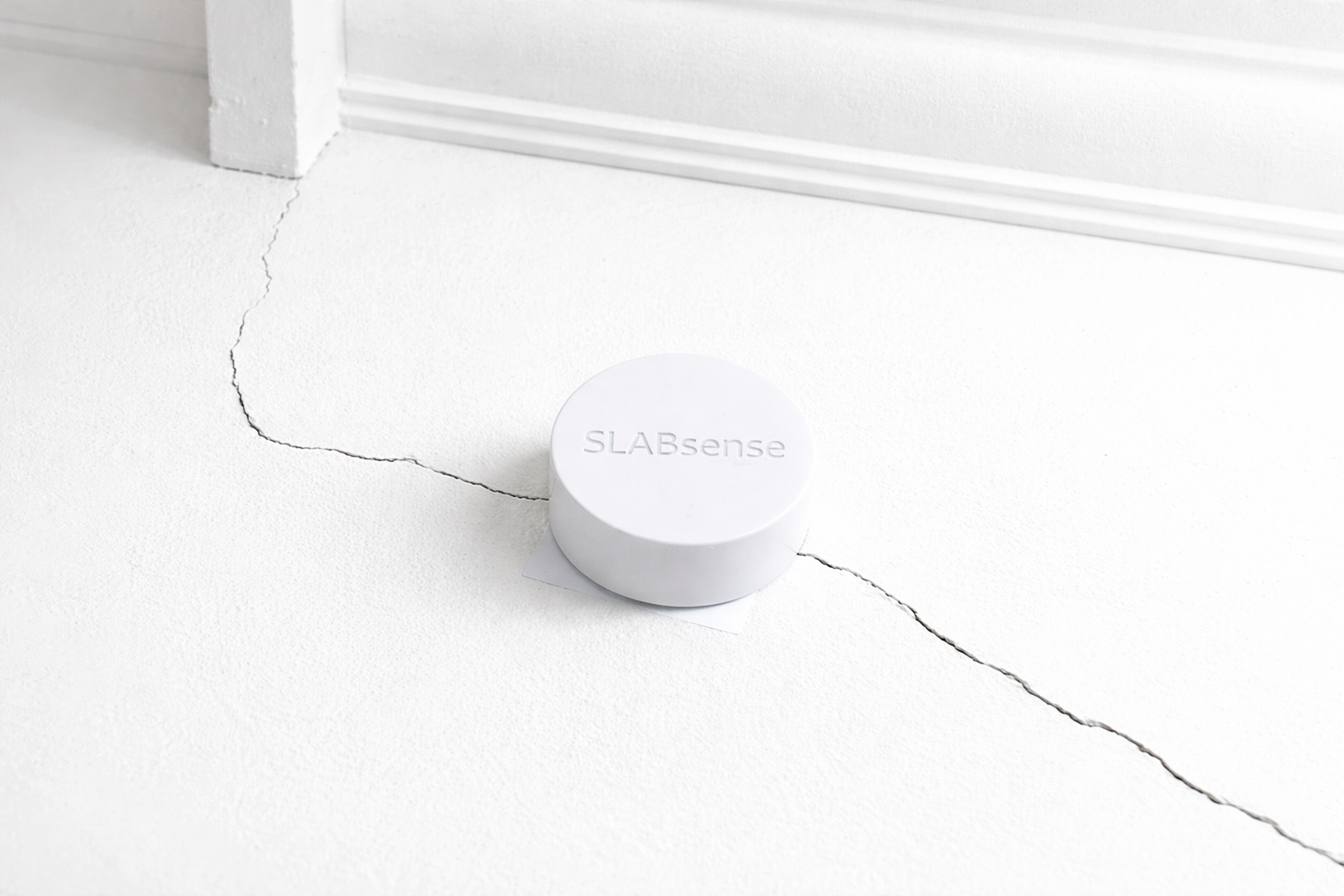
Our crack monitoring solutions use discreet, high-precision sensors to record movement over time, allowing changes in crack width and behaviour to be tracked with confidence across residential and commercial buildings.
Crack monitoring FAQs
What is crack monitoring?
Crack monitoring is the process of measuring changes in the width or movement of a crack over a defined period. Cracking may be caused by ground movement, structural loading, thermal effects or moisture variation, and not all cracks indicate a serious problem.
Because crack movement can be slow, intermittent or seasonal, single inspections or manual tell-tales often provide limited insight. Continuous crack monitoring allows true behaviour to be identified, supporting proportionate responses.
Cracks are commonly associated with:
- Subsidence or ground movement
- Clay shrinkage and seasonal moisture change
- Differential settlement
- Structural alteration or load redistribution
- Thermal or moisture-related movement
Why crack monitoring is important?
Cracks can appear alarming, but without data it is difficult to determine whether they are actively moving or stable. Monitoring provides objective evidence that removes uncertainty and reduces the risk of unnecessary repair.
Crack monitoring helps to:
- Confirm whether cracks are widening, closing or stable
- Distinguish historic cracking from active movement
- Correlate crack behaviour with ground or slab movement
- Support engineering assessments and repair decisions
- Provide reassurance to owners, insurers and occupants
How does Slabsense monitor cracks?
Our crack monitoring system combines professionally installed sensors with automated data capture, providing continuous measurement without repeated site visits.
The monitoring process:
- Assessment of crack location and orientation
- Installation of discreet crack sensors with minimal disruption
- Automated measurements, typically recorded daily
- Secure online dashboard showing movement trends
- Reporting support for engineering and insurance purposes
Monitoring periods typically range from 3 to 12 months, depending on the nature of the issue and investigation requirements.
What are typical applications for crack monitoring?
Slab and floor level monitoring is commonly used for:
- Residential properties with uneven or cracking floors
- Properties affected by tree-related heave or settlement
- Monitoring after tree removal or vegetation management
- Commercial and industrial floors where tolerance is critical
- Post-repair verification following ground improvement
The data produced provides a clear record of how the slab responds over time, supporting confident conclusions.
What are the benefits of digital crack monitoring?
Compared with traditional mechanical tell-tales, digital crack monitoring offers significant advantages.
Key benefits include:
- Continuous measurement rather than periodic manual readings
- Higher accuracy and consistency
- Reduced risk of missed movement between inspections
- Time-stamped data with clear graphical outputs
- Remote access to results and alerts
This approach provides greater confidence in conclusions and supports evidence-based decision-making.
What are the benefits of crack monitoring for insurance and engineering assesments?
Crack monitoring is frequently required as part of insurance investigations, particularly where liability, causation or timing must be established. Continuous monitoring provides objective, auditable data that supports fair and transparent outcomes.
Our crack monitoring solutions are well suited to:
- Initial claim investigations
- Monitoring during seasonal cycles
- Verification following stabilisation or repair works
- Demonstrating crack stability prior to claim closure
What will I receive when I appoint Slabsence for crack monitoring?
When you appoint us for crack monitoring, you receive:
- Professionally installed crack monitoring sensors
- Continuous, automated measurement of crack movement
- Secure online access to monitoring data
- Clear graphical trends and summaries
- Support for engineering and insurance reporting
All data is presented in a format suitable for technical review and professional use.
Speak to a Monitoring Specialist
If you require subsidence monitoring, slab movement monitoring or crack monitoring, our team can help define the most appropriate solution for your site.